
Easy Homemade Lasagna
Creamy homemade lasagna with bechamel and bolognese. Includes two grocery lists to make it from scratch or with store-bought ingredients.
Ingredients
For the Bolognese:
- 1 Tbsp Olive Oil
- 1 Medium Onion (Yellow, brown, white, or even red)
- 2 Garlic Cloves (Grated)
- 500 g Ground Beef
- 450 g Tomato Sauce
- ½ tsp Salt
- ¼ tsp Black pepper
- 1½ tsp Soy Sauce (Optional)
For the Béchamel:
- 3 Tbsps Unsalted Butter
- 3 Tbsps Flour (All-purpose)
- 2 Cups Milk
- ⅛ tsp Nutmeg
- ¼ tsp Salt
- Pepper to taste
- 1 Tbsp Grated Parmesan (Optional)
For the Lasagna:
- 10 Large Fresh Lasagna Sheets (Read notes)
- Shredded Mozzarella (On Top)
- Grated Parmesan (Optional)
Instructions
Make the Bolognese
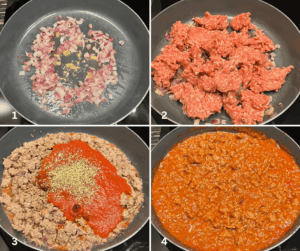
- In a large pan on medium heat, add olive oil, diced onions, and cook for 2 minutes or until the onions softened. Add the grated garlic and cook for roughly 30 seconds (make sure not to burn the garlic). Add the minced meat, breaking it apart until browned. Stir in the tomato sauce, salt, black pepper, oregano, and soy sauce if using. Mix well.Cover and let simmer for 5 minutes. Turn off the heat and set aside.
Make the Béchamel
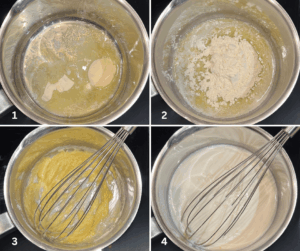
- In a medium pot, melt butter. Add flour and whisk for a minute. Pour in milk all at once and whisk continuously until smooth and thick (7 to 10 minutes). Lower the heat and season with salt, black pepper, and a pinch of nutmeg. When it’s done, turn off the heat and stir in 1 tablespoon of grated parmesan if you’d like a richer sauce.
Assemble the Lasagna
- If you use fresh sheets, no prep is needed. For dry sheets, check the package. Some need to be boiled for a few minutes; others can go straight into the oven with enough sauce.Spread a thin layer of béchamel sauce or bolognese at the bottom of your baking dish. Add lasagna sheets, then another layer of béchamel, followed by bolognese. Repeat: lasagna sheets, béchamel, bolognese. Make 4 to 8 layers, totally up to you. Finish with bolognese, shredded mozzarella, and grated parmesan on top.Preheat your oven to 200°C (400°F). Bake for 20 minutes or until the top is golden brown. Cooking time can vary depending on your lasagna sheets, check the package if unsure.Let it rest for 10 minutes before slicing. This helps the layers hold their shape. Serve warm and enjoy.

Notes
- Nutrition info is estimated and may vary based on ingredients and portions. For the most accurate details, consider using a nutrition tool or checking our full Nutrition Information Disclaimer.
- This recipe is best baked in a 23 × 33 cm (9 × 13 inch) dish, which gives the perfect balance of sauce, pasta, and cheese.
- I made a lasagna with 6 layers and used about 10 sheets of pasta. The exact number can vary depending on the brand you use and whether your lasagna sheets are dry or fresh. Fresh sheets are usually thinner and larger, so you might need fewer, while dry ones can be smaller and require more to cover each layer.
Nutrition
Serving: 1gCalories: 338kcalCarbohydrates: 19.3gProtein: 17.4gFat: 21.9g
Tried this recipe?Let us know how it was!
